
By Mike Lionas, President, Rhino Building Group
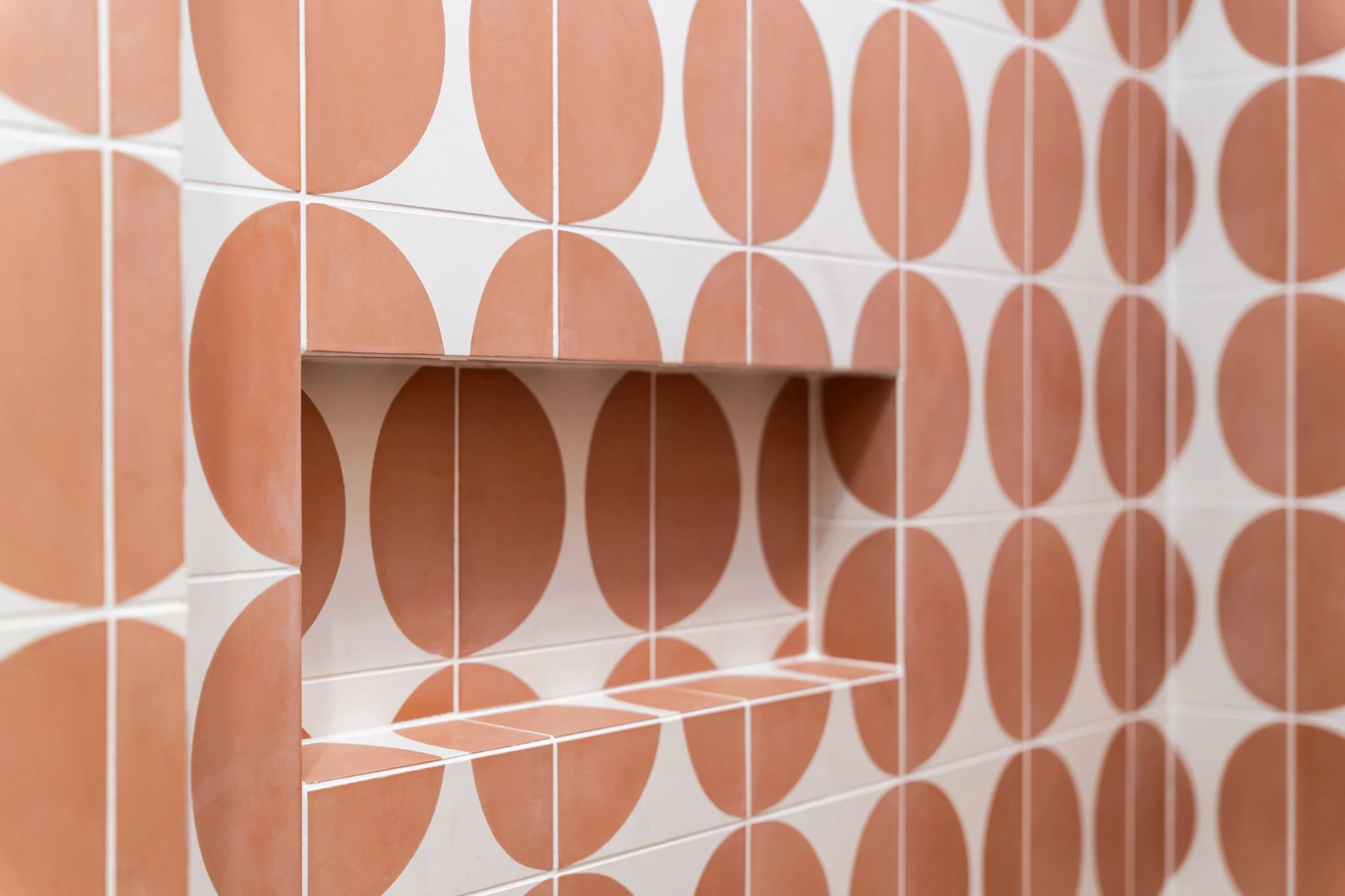
Patterned tile carries through the shower niche, making storage part of the design. Project by Rhino Building Group.
Some details catch your eye as soon as you walk into a room. Others help a space feel finished without calling attention to themselves.
On our job sites, I’m seeing both: patterned tile that brings personality into bathrooms, soft colors that pull a room together, and everyday features like air returns that blend into the background. Here are three design choices I’ve been seeing and what makes each one work.
Color drenching, with a softer touch
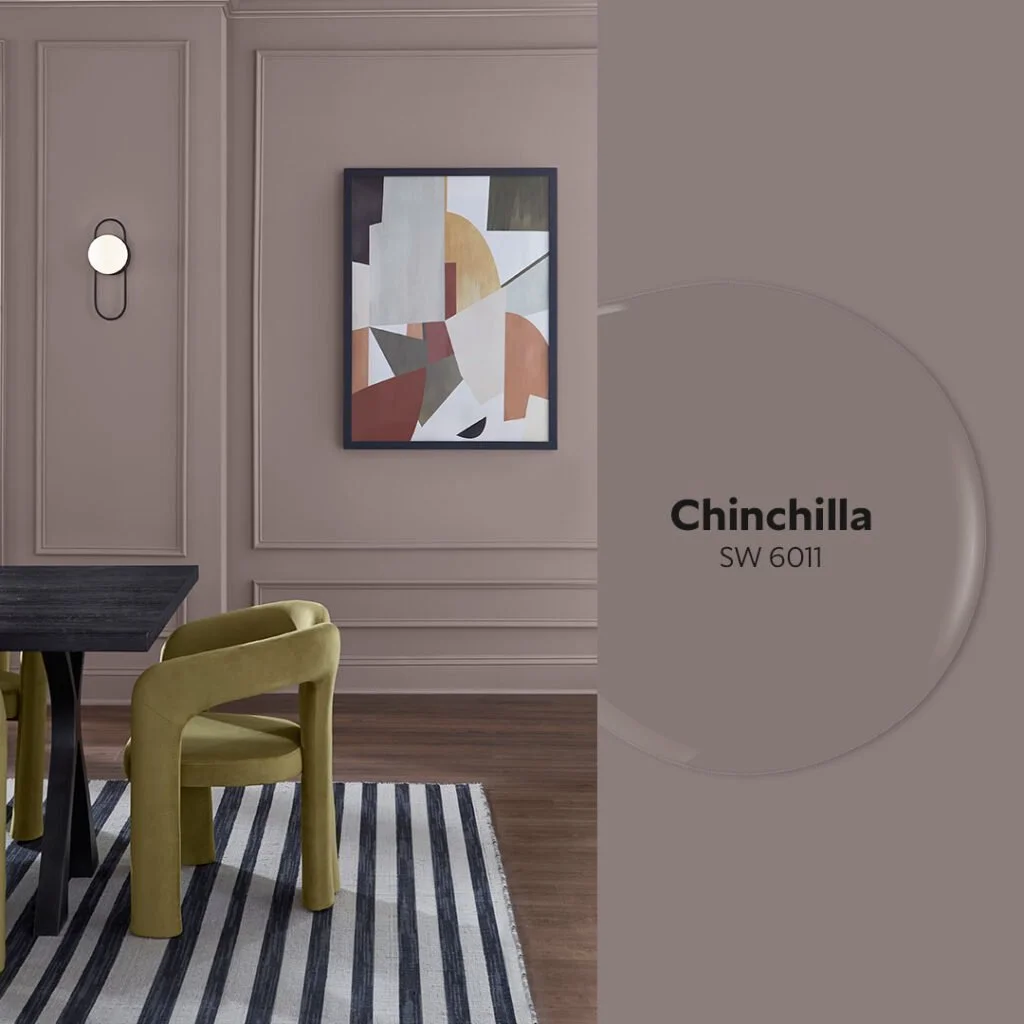
Matching walls and architectural details soften contrast while preserving dimension. Shown in Sherwin-Williams Chinchilla. Inspiration image; not a Rhino project. Source
“Color drenching” might bring to mind a room wrapped in a deep, dramatic shade. But we’re also seeing it with soft neutrals, including Sherwin-Williams Greek Villa.
The idea is to carry the same color across the walls and trim, including the ceiling. In rooms with crown molding or decorative wall paneling, that approach softens the contrast between surfaces. The architectural details become part of the room rather than a series of separate outlines.
That’s what I like about it. You can appreciate the depth of the molding and the way light falls across it without every piece of trim demanding your attention. A softer color gives the room a cohesive feel while leaving space for furniture, artwork and materials to add character.
Patterned tile with personality
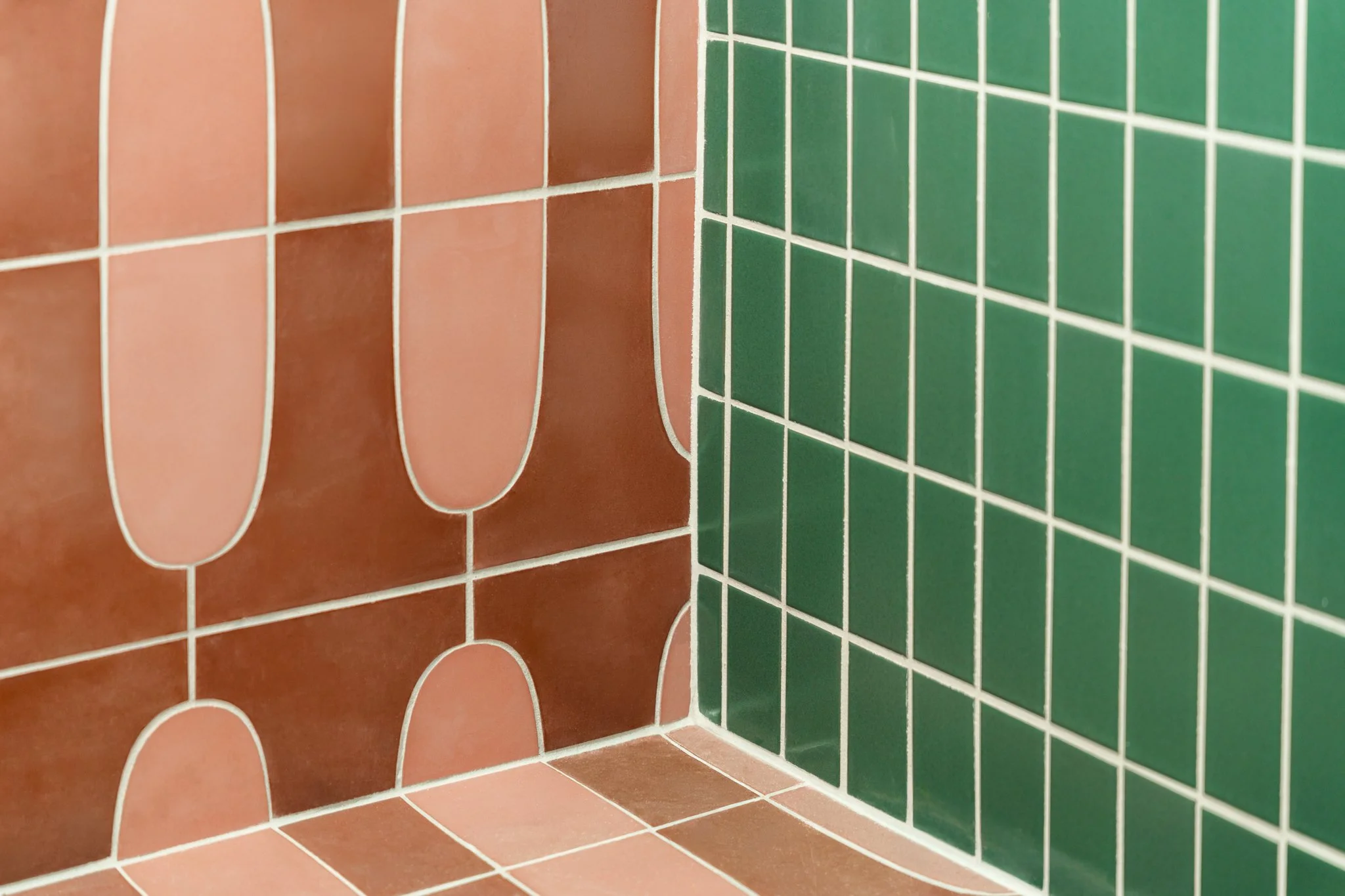
Terracotta tones, green tile and contrasting grout bring color and rhythm to a bathroom detail. Project by Rhino Building Group.
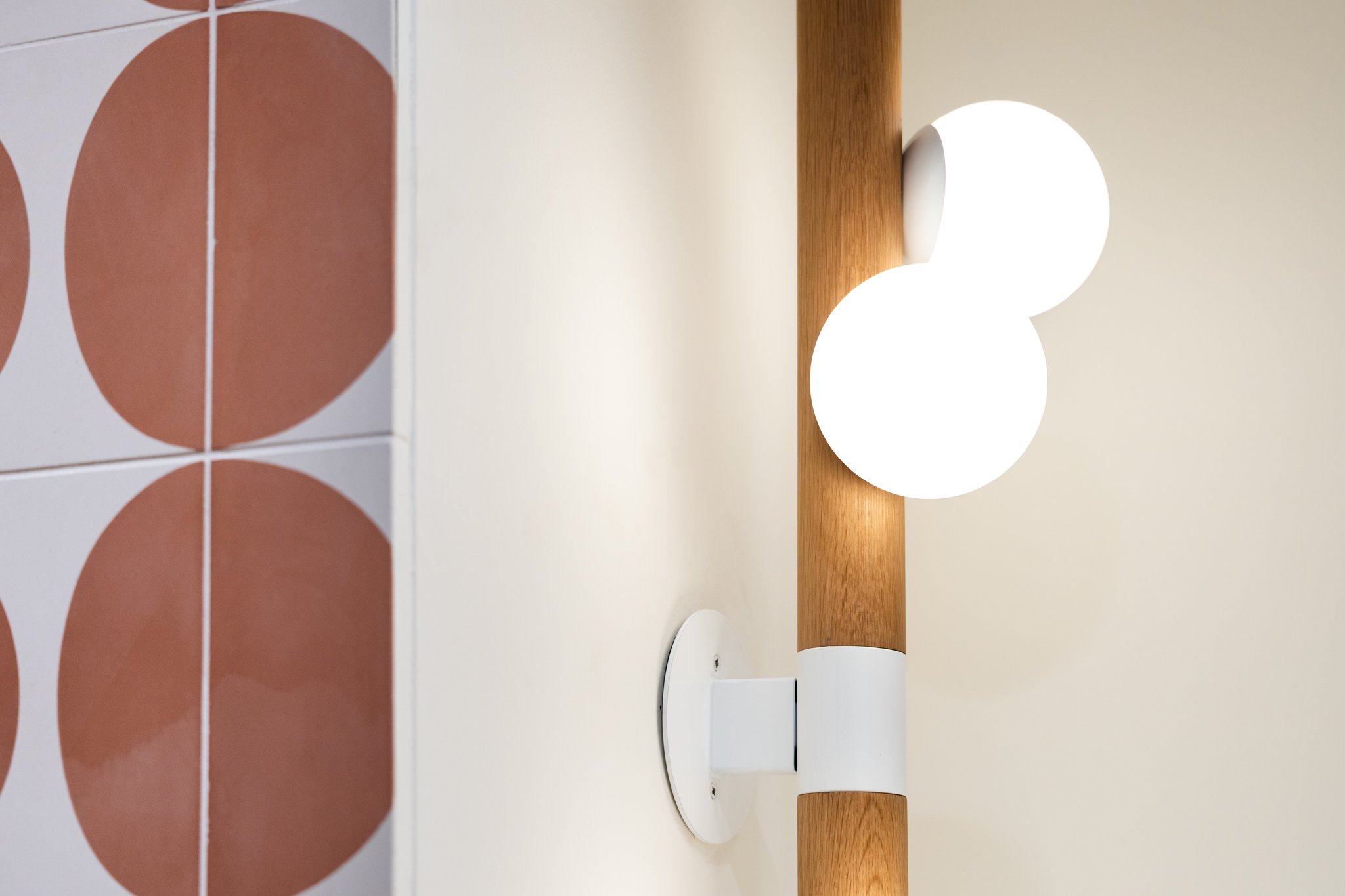
Curved lighting and rounded tile forms echo one another.
Project by Rhino Building Group.
Bathrooms are where I’m seeing homeowners have more fun with pattern. It’s a contained space, which can make an expressive choice feel more approachable.
The tile in our projects pictured here shows how much personality color and shape can bring. Rounded terracotta-toned forms create movement, while green tile introduces another layer of color and geometry. Even a small section of wall gives you something interesting to notice.
The shower niche is part of that design, too. Continuing the patterned tile into the recess makes practical storage feel connected to the surrounding wall. It’s a small detail, but one worth thinking through.
What makes these spaces work is how the pieces come together: the pattern, the grout lines, the neighboring surfaces and the placement of the niche. Each choice contributes to the finished room.
The details that blend in
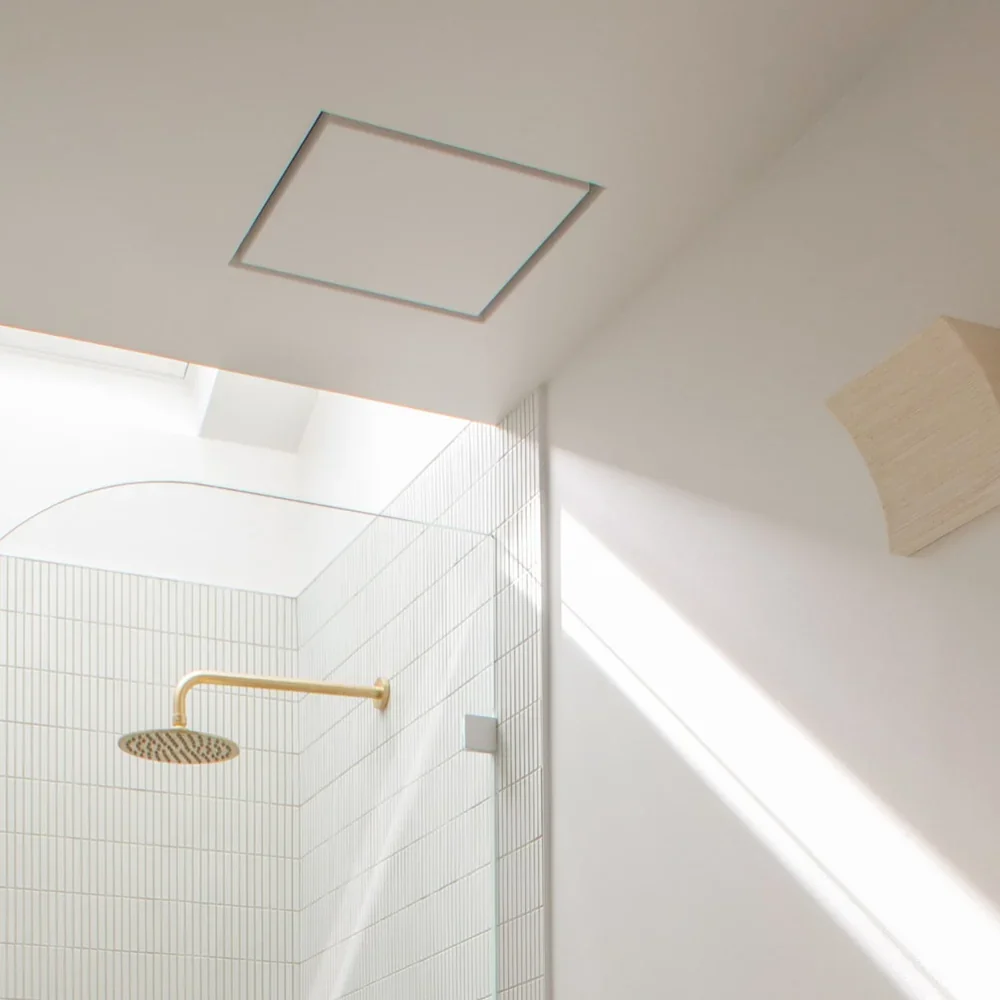
A flush exhaust cover blends into the ceiling, keeping the focus on the bathroom’s finishes. Source
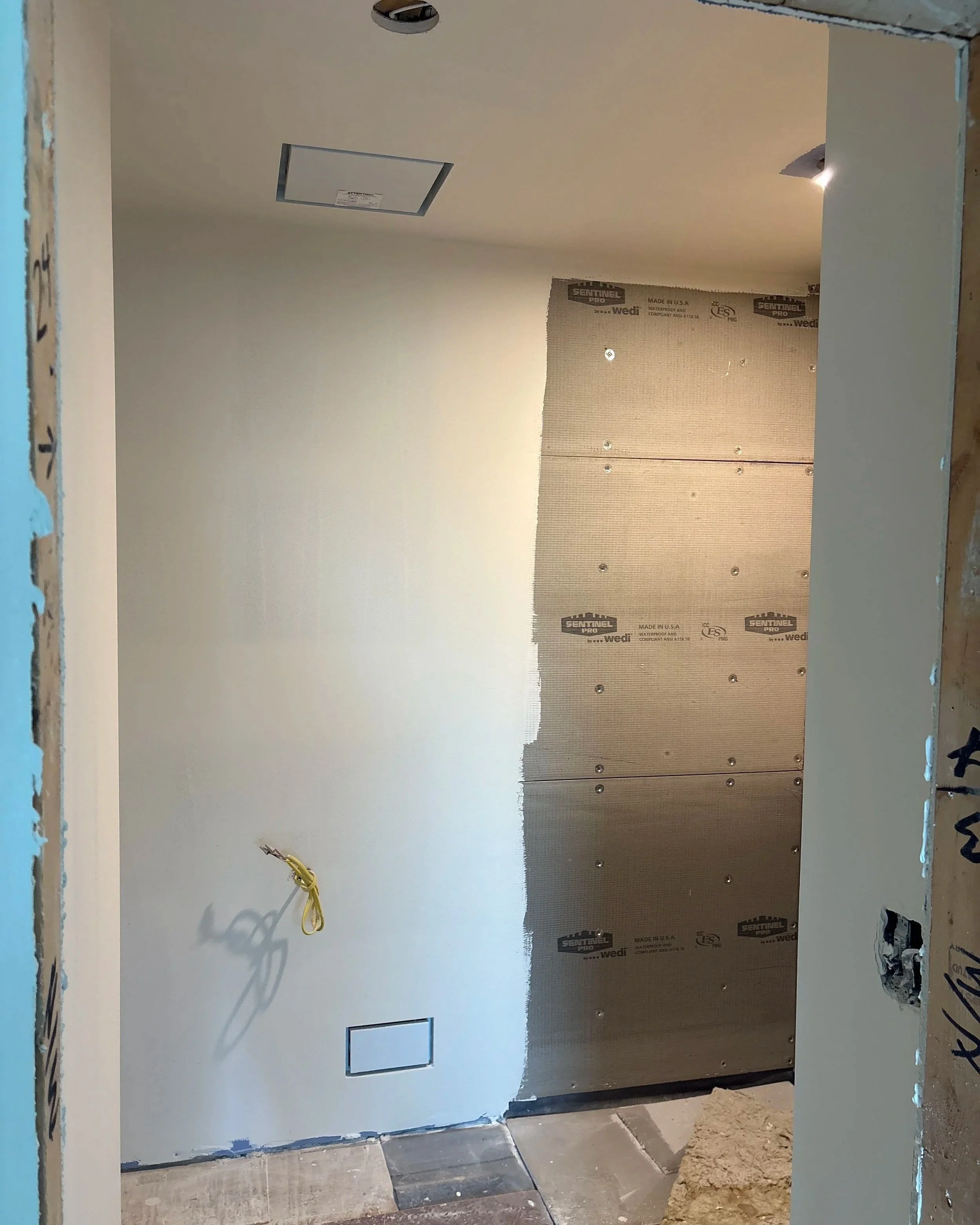
From a Rhino job site: flush-mounted covers take shape before the room’s final finishes are complete.
One of my favorite details is something you might walk right past: the way we finish air returns and bathroom exhaust fans.
These are necessary parts of a home, and their appearance matters. We’re incorporating paintable vent and exhaust fan covers, that blend with the surrounding wall or ceiling.
Once finished to match, they create fewer visual interruptions. Your eye stays on the tile, paint color or architecture instead of landing on a contrasting grille.
It’s especially satisfying to see these details come together on the job site. The planning happens during construction; the payoff is a cleaner-looking finished space.
Whether you’re walking through a home for sale or gathering design inspiration, look a little closer. Notice where color continues, how a pattern turns a corner and which practical features quietly disappear. Those details help give a home its character.
